

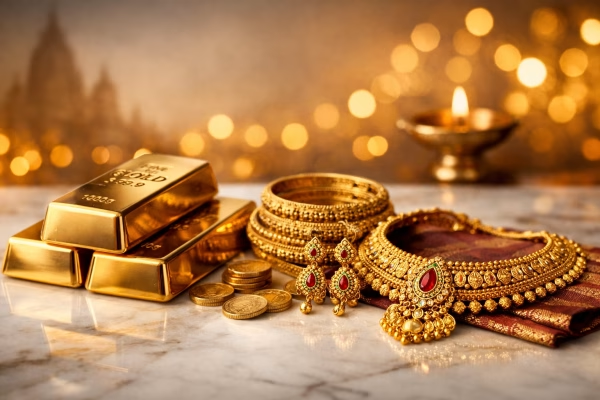
Gold has always held a special place in Indian culture, traditions, and financial planning. In India, gold is not just a precious metal—it is a symbol of wealth, prosperity, purity, and security. From weddings and festivals to long-term savings and investment, gold remains one of the most trusted assets for Indian families.
In this detailed guide, we will cover everything about gold in India, including its cultural importance, investment options, pricing, buying tips, purity standards, and the future of gold in the Indian market.
Why Gold is So Important in India?
India is one of the world’s largest consumers of gold. The demand for gold in India comes from:
- Cultural traditions
- Jewellery purchases
- Festivals and weddings
- Investment and savings
- Wealth preservation
Gold is deeply connected with Indian values and beliefs. Many Indian families consider gold a safe financial asset, especially during uncertain economic times.
Gold and Indian Culture: A Deep Connection
Gold has been used in India since ancient times. In Hindu culture, gold is considered sacred and associated with Goddess Lakshmi, the symbol of wealth and prosperity.
Gold in Indian Festivals
Gold buying is especially popular during festivals like:
- Dhanteras
- Diwali
- Akshaya Tritiya
- Navratri
- Pongal
- Onam
- Ugadi
On these occasions, buying gold is believed to bring good fortune.
Gold in Indian Weddings
Indian weddings are incomplete without gold. Gold jewellery is often purchased as:
- Wedding ornaments
- Gifts for the bride
- Family inheritance
- Dowry tradition (in some regions)
Gold jewellery is seen as both a symbol of status and financial security.
Gold as an Investment in India
Gold is one of the most popular investment choices in India because it offers:
- High liquidity (easy to sell)
- Long-term value appreciation
- Protection against inflation
- Safe haven during crises
- Portfolio diversification
Many Indians prefer gold over stock markets due to its stability and trust.
Types of Gold Available in India
Gold in India is available in multiple forms:
1. Gold Jewellery
This is the most common form of gold purchased in India.
However, jewellery includes making charges, which reduces resale value.
2. Gold Coins
Gold coins are preferred for gifting and investment. They usually come in:
- 1 gram
- 2 gram
- 5 gram
- 10 gram
- 20 gram
- 50 gram
Coins have better resale value than jewellery.
3. Gold Bars
Gold bars are ideal for high-value investors and come in larger weights like:
- 50 grams
- 100 grams
- 1 kg
Bars have lower charges compared to jewellery.
4. Digital Gold
Digital gold allows you to buy gold online in small amounts (even ₹10).
It is stored securely by the provider.
5. Gold ETFs (Exchange Traded Funds)
Gold ETFs are traded like shares and track gold prices.
They are suitable for investors who want gold exposure without physical storage.
6. Sovereign Gold Bonds (SGB)
SGBs are issued by the Government of India. They offer:
- Gold price appreciation
- Additional interest income
- No storage issues
- Tax benefits (on maturity)
SGB is considered one of the best gold investment options in India.
Gold Purity in India: 24K, 22K, 18K Explained
Gold purity is measured in karats (K).
24K Gold
- 99.9% pure gold
- Best for investment
- Too soft for jewellery
22K Gold
- 91.6% pure gold
- Most common for jewellery in India
- Stronger and durable
18K Gold
- 75% pure gold
- Used for designer jewellery and diamond jewellery
- More affordable
Hallmark Gold in India: BIS Certification
To ensure purity, India follows BIS Hallmarking.
What is BIS Hallmark?
BIS Hallmark is a certification by the Bureau of Indian Standards confirming the purity of gold.
A hallmark gold jewellery typically contains:
- BIS logo
- Purity mark (22K916, 18K750, etc.)
- Jeweller identification mark
- Assaying centre mark
Always buy BIS hallmarked gold to avoid fraud.
Gold Price in India: How It is Determined
Gold prices in India change daily due to multiple factors.
Key Factors Affecting Gold Prices
- International gold price
- USD-INR exchange rate
- Import duties
- GST
- Demand and supply
- Geopolitical tensions
- Inflation and interest rates
India imports most of its gold, so global trends impact local prices directly.
Gold Buying Guide in India (Smart Tips)
If you are planning to buy gold in India, follow these tips:
1. Check Daily Gold Rate
Always check the latest gold price before buying.
2. Buy BIS Hallmarked Gold Only
Hallmark ensures purity and helps in resale.
3. Compare Making Charges
Jewellery includes making charges which can vary widely (8% to 25%).
4. Ask for Proper Bill
Always take a GST invoice with:
- Gold weight
- Purity
- Making charges
- GST details
5. Prefer Coins/Bars for Investment
Jewellery is not the best investment due to making charges.
6. Store Safely
Use bank lockers or insured storage for physical gold.
Gold Tax in India: GST and Charges
When buying gold in India, the following taxes apply:
GST on Gold
- 3% GST on gold value
- 5% GST on making charges (for jewellery)
These taxes increase the final price for the buyer.
Gold Loan in India: Using Gold as Security
Gold is also widely used for gold loans in India. Banks and NBFCs provide loans against gold jewellery.
Benefits of Gold Loan
- Quick approval
- Lower interest compared to personal loans
- Minimal documentation
- High loan amount
Gold loans are popular among business owners and households for urgent needs.
Is Gold a Safe Investment in India?
Yes, gold is generally considered a safe investment in India, especially for long-term goals.
However, gold investment also has some limitations:
Pros
- Safe and stable
- Hedge against inflation
- Easy liquidity
- Diversifies portfolio
Cons
- No regular income (except SGB)
- Storage and security issues (physical gold)
- Price volatility in short-term
Best Gold Investment Options in India (2026)
If you want to invest smartly, here are the best options:
1. Sovereign Gold Bonds (Best Overall)
Ideal for long-term investors.
2. Gold ETFs
Good for stock market investors.
3. Digital Gold
Best for small investors.
4. Gold Coins/Bars
Best for people who want physical gold.
Future of Gold in India
Gold will remain important in India due to:
- Cultural and religious traditions
- Rising income and wedding spending
- Increasing investment awareness
- Growth in digital gold and ETFs
Even as India modernizes, gold continues to be a trusted and preferred asset.
Conclusion: Why Gold Will Always Shine in India
Gold is not just a metal in India—it is a tradition, an emotion, and a financial strategy. Whether you are buying gold for a wedding, festival, gifting, or investment, it remains one of the safest assets for Indian families.
If you want to invest wisely, consider modern options like Sovereign Gold Bonds, ETFs, and Digital Gold, while ensuring purity and certification for physical purchases.
FAQs on Gold in India
Q1. Which gold is best in India, 22K or 24K?
24K is best for investment, while 22K is best for jewellery.
Q2. Is BIS hallmark mandatory in India?
Hallmarking is strongly recommended and mandatory for many jewellers and products.
Q3. Is gold a good investment in 2026?
Gold is still considered a strong long-term investment for stability and inflation protection.
Q4. What is the best form of gold to buy?
For investment: SGBs, ETFs, or coins/bars.
For jewellery: 22K hallmarked jewellery.
Q5. How can I avoid gold fraud?
Buy from trusted jewellers, check BIS hallmark, and take a proper bill.
Disclaimer
The information provided in this blog is for general informational and educational purposes only. While we try to keep the content accurate and updated, gold prices, government policies, taxes, and investment rules may change from time to time. Readers are advised to verify the latest gold rates, BIS hallmarking guidelines, GST charges, and investment details from official sources or consult a qualified financial advisor before making any investment or purchase decision. The author and publisher of this blog shall not be responsible for any loss, damage, or financial decision taken based on the information shared in this article.